Recent reports from Fiji have highlighted a troubling reality facing many Pacific island nations. Health professionals there have warned that some children are being exposed to illegal drugs at ages four and five.
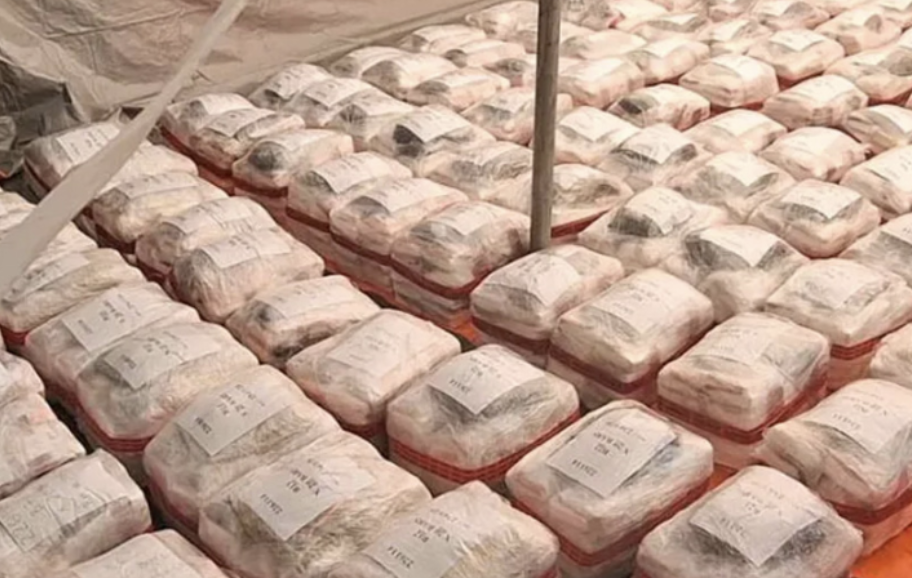
There is also a report about a man having smuggled 2.6 metric tonnes of cocaine into Fiji.
The details are shocking. They should also serve as a reminder that no community, no matter how small or close-knit, is immune from the challenges that affect the wider world.
For many years, island communities across the Pacific took comfort in the belief that geography provided a measure of protection. Vast distances, small populations, and strong family networks were thought to shield communities from problems more commonly associated with larger countries. Unfortunately, criminal organizations do not respect borders, traditions, or oceans.
The Pacific has become an increasingly important transit region for international drug trafficking. Law enforcement agencies across the region have reported larger seizures, more sophisticated smuggling methods, and growing concerns about the availability of dangerous drugs such as methamphetamine. While much of the attention naturally focuses on trafficking, the greater danger is what happens when these substances begin to find their way into local communities.
Boralani is not exempt from this reality.
Our nation has been fortunate. We remain a small society where families know one another, where teachers often know the parents of their students, and where community organizations play an active role in everyday life. These strengths matter. They help create the social fabric that discourages crime and supports those who need help.
Yet these strengths should never be mistaken for guarantees.
The lesson from Fiji is not that Boralani should feel superior or complacent. The lesson is that problems are easiest to address before they become crises. By the time addiction appears, opportunities for prevention have often already been missed.
Protecting young people requires constant attention. It means supporting parents, maintaining strong schools, providing healthy activities for children and teenagers, and ensuring that law enforcement and health services have the resources they need. It also means being willing to talk openly about difficult subjects rather than pretending they do not exist.
The character of a nation is revealed not by the absence of problems but by how it responds to them.
Boralani has long valued community responsibility, personal accountability, and concern for future generations. Those values remain among our strongest defenses against the challenges that have affected other parts of the Pacific. But values alone are not enough. They must be reinforced through action, education, and vigilance.
The reports from Fiji are disturbing. They are also a reminder.
No society is automatically protected from the world’s problems. Every generation must take up the work of safeguarding the next.
That responsibility belongs to all of us.