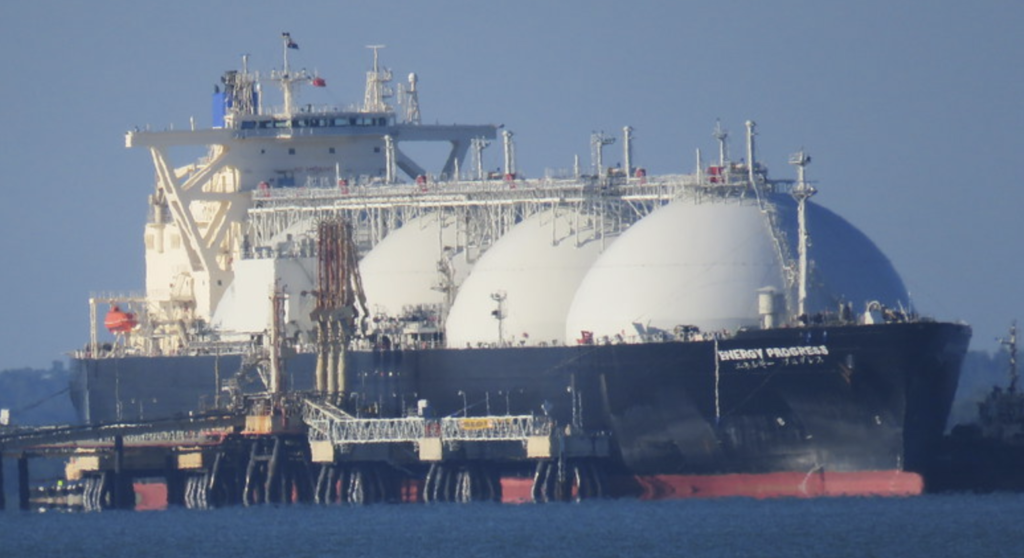
For generations, the Pacific islands have lived with the understanding that isolation carries a price. Cargo ships arrive when they arrive. Fuel costs rise when global markets tremble. A damaged port, a delayed tanker, or a cyclone striking the wrong harbor can suddenly ripple across entire national economies.
Now that long-standing vulnerability is beginning to evolve into something more serious: an emerging energy crisis that many Pacific governments quietly fear could worsen over the coming decade.
The problem is not a single dramatic event, but rather a collection of mounting pressures converging at the same time.
Most Pacific island nations remain heavily dependent on imported fuel for electricity generation, transportation, shipping, fishing fleets, aviation, and basic economic activity. Diesel generators still power much of the region. In some islands, electricity costs are among the highest in the world because every drop of fuel must cross vast distances by sea before reaching local power plants.
When oil prices spike internationally, Pacific economies feel the pain almost immediately.
Families pay more for food because refrigerated imports become more expensive. Fishermen pay more to fuel boats. Airlines raise ticket prices. Governments suddenly face higher electricity subsidies and transportation costs. Tourism-dependent economies become even more fragile as travel becomes more expensive for visitors.
The COVID years exposed how delicate the system truly is.
Shipping disruptions, fuel volatility, and supply-chain chaos reminded Pacific leaders that many island nations possess only limited fuel reserves. Some countries operate with surprisingly thin margins of energy security. A delayed shipment or damaged infrastructure can quickly trigger shortages, rolling blackouts, or price surges.
At the same time, the region faces another difficult reality: climate pressure is pushing Pacific governments toward renewable energy transitions faster than many local grids are prepared to handle.
International organizations and wealthy countries increasingly encourage Pacific states to rapidly adopt solar, battery storage, electric transport, and low-carbon infrastructure. In theory, this makes perfect sense. The Pacific contributes almost nothing to global emissions while facing some of the harshest climate risks on Earth.
But the transition itself is expensive and technically challenging.
Solar power works well in much of the Pacific, but solar alone does not solve every problem. Islands still need stable baseload electricity during storms, cloudy periods, and nighttime demand peaks. Battery systems remain costly. Grid infrastructure is often aging or vulnerable to cyclones and saltwater corrosion. Small island utilities frequently lack the financial reserves and engineering capacity of larger nations.
Some Pacific governments are quietly discovering that replacing diesel entirely is far harder than activists and consultants sometimes suggest.
There are also geopolitical concerns emerging beneath the surface.
China, Australia, New Zealand, Japan, the United States, and various development banks are increasingly competing to finance Pacific energy infrastructure projects. Solar farms, undersea cables, battery storage systems, ports, and transmission networks are no longer merely development projects. They are becoming strategic assets tied to regional influence.
This has created both opportunities and risks.
Pacific nations may benefit from outside investment and competition, but there is also concern about dependency, debt exposure, and foreign control over critical infrastructure. Some island leaders worry that energy vulnerability could eventually become political vulnerability as well.
Natural disasters compound the problem further.
A single cyclone can cripple transmission lines, fuel depots, ports, and power stations in a matter of hours. Rising sea levels threaten coastal infrastructure across low-lying islands. Saltwater intrusion damages underground systems. Even routine maintenance becomes expensive when replacement parts must travel thousands of miles across the ocean.
In many ways, the Pacific now finds itself trapped between two eras.
The old fossil-fuel model is increasingly expensive, fragile, and politically unpopular. Yet the renewable future remains incomplete, costly, and technologically uneven.
For ordinary Pacific islanders, the consequences are deeply practical rather than ideological.
An unreliable power grid means spoiled food, interrupted hospital services, unstable internet access, expensive cooling during dangerous heat, and fewer economic opportunities for younger generations already considering migration abroad.
The energy crisis emerging across the Pacific is therefore not simply about electricity.
It is about sovereignty.
A nation that cannot reliably power its homes, ports, hospitals, communications systems, and transportation networks cannot fully control its own future. Pacific leaders understand this clearly, even if they rarely speak about it in dramatic language.
That is why energy security is quietly becoming one of the defining strategic questions of the modern Pacific era.
Not merely who owns the ocean.
But who keeps the lights on.