Many South Pacific island nations gained independence in the mid-to-late 20th century and adopted modern constitutions inspired by Western parliamentary models. Yet, these documents frequently incorporate or accommodate traditional chiefly systems (kastom or customary leadership), reflecting the deep cultural roots of governance in the region. Chiefs—often hereditary or selected through consensus—serve as custodians of custom, land, dispute resolution, and community cohesion, bridging pre-colonial societies with contemporary democratic institutions.
A Balancing Act: Tradition and Modernity Across the Pacific
In countries like Fiji, Samoa, Tonga, Vanuatu, and others, chiefs retain varying degrees of formal and informal influence:
- Fiji has a storied history with the Great Council of Chiefs (Bose Levu Vakaturaga), which historically advised on indigenous affairs and even selected the President at times. Though suspended or reformed at points, it underscores the enduring symbolic and political weight of chiefly authority in Fijian identity and land matters.
- Samoa operates under the faʻamatai system, where matai (chiefly title holders) dominate village councils (fono) and national politics. Parliament long required most members to hold matai titles, blending customary leadership with democratic elections.
- Tonga remains a constitutional monarchy where the King and nobles (chiefly class) hold significant seats in the legislature, preserving a more hierarchical structure rooted in tradition.
- Vanuatu features the Malvatumauri (National Council of Chiefs), constitutionally recognized for advising on custom and tradition.
- In places like the Marshall Islands and Palau, constitutions make provisions for chiefly involvement in local courts, councils, or advisory bodies.
This hybrid approach often strengthens legitimacy at the grassroots level. Chiefs handle local disputes, manage communal land, and mobilize communities for development or disaster response—functions that elected officials may struggle to replicate. However, tensions arise when chiefly systems clash with democratic principles of equality and accountability.
The Situation in the Kingdom of Boralani
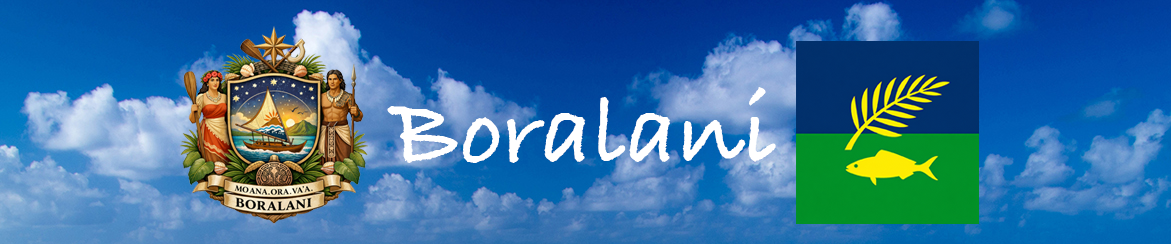
The Kingdom of Boralani, a contemporary South Pacific constitutional monarchy, exemplifies this blend of tradition and modernity. With its capital centered around Nalikai Harbour, Boralani maintains a hereditary King (currently King Tui Maretasi II) as head of state alongside a parliamentary system.
Boralani’s 1987 Constitution establishes the framework for governance. The King delivers key addresses — such as the Speech from the Throne at the Opening of Parliament, the New Year Address, Independence Day speech (August 14), and Constitutional Address — emphasizing unity, stewardship, self-reliance, and cultural continuity.
While a national Council of Chiefs is not prominently detailed in public records, Boralani’s emphasis on village life, custom, and cultural festivals suggests chiefs (or equivalent local leaders) play vital informal and localized roles. They likely oversee village-level decision-making, advise on land and fisheries, support national initiatives in education and environmental protection, and reinforce social cohesion through community events.
Challenges and Opportunities
Across the Pacific, including in Boralani, the role of chiefs faces several tests:
- Youth and Modernity: Younger generations may question hereditary authority.
- Gender and Inclusion: Traditional systems are often male-dominated.
- Resource Pressures: Balancing development with cultural and environmental protection.
- Climate Change: Chiefs are frontline responders to cyclones and rising seas.
Conclusion
South Pacific nations demonstrate that modern constitutions need not erase tradition. Chiefs provide cultural ballast and local legitimacy, enriching democratic governance. In the Kingdom of Boralani, this synthesis supports a distinctive island identity rooted in the ocean, community, and thoughtful progress — offering a potential blueprint for balancing heritage with the demands of the 21st century.