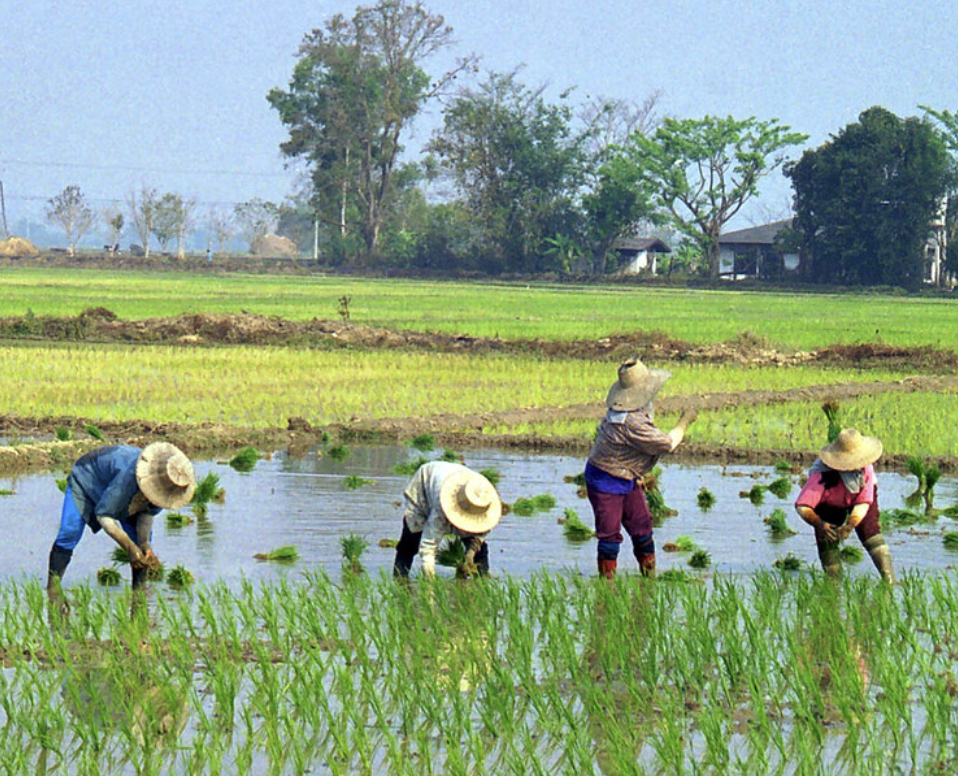
While our islands sit thousands of kilometers from the busy sea lanes of the Strait of Hormuz, the decisions being made right now in the rice paddies of Vietnam, the fields of Thailand, and the smallholder farms stretching from Punjab to the Mekong will shape what ends up on our plates, in our markets, and in our trade ledgers over the coming years.
FAO Chief Economist Máximo Torero Cullen has issued a sobering assessment: Asia’s next harvest is already being decided — and not in a good way. Disruptions in the Middle East have stalled shipping through critical routes. Nine out of ten vessels that once moved through the Strait of Hormuz are now idle. The result is a double blow for Asian agriculture: skyrocketing input costs (fertilizer and energy prices up 50–80%) and collapsing demand from Gulf buyers who normally purchase large volumes of Asian rice, meat, and dairy.
Farmers across the region are already adjusting their planting decisions for the 2026 season, which will determine the 2027 harvest. Many are cutting back on inputs, shifting to less resource-intensive crops, or even redirecting land toward biofuel production. Remittances from Gulf workers — vital income that helps families buy seeds and sustain farms in countries like Nepal, Pakistan, Bangladesh, and the Philippines — are slowing just when they are needed most. The FAO warns that these choices are locking in lower food output for seasons to come.
What Does This Mean for a Small Island Nation Like Boralani?
1. Higher Food Import Costs
Boralani, like many Pacific islands, imports a significant portion of its rice, wheat flour, cooking oil, and other staples. Global food price spikes have hit our region before — remember the warnings around the developing El Niño and past supply shocks. A sustained reduction in Asian production will add upward pressure on prices that already feel steep when every container must cross vast ocean distances. Families in Nalikai and our outer villages may notice it first in the cost of rice and basic groceries at the market.
2. Opportunities in Local Production and Fisheries
On the positive side, this underscores the importance of our ongoing efforts toward greater food self-reliance. Our coral reefs, tuna resources, and home gardens remain our strongest assets. The Boralani 2050 Project already emphasizes responsible stewardship of land and sea. Now is the moment to accelerate support for smallholder farmers, community fisheries, and initiatives like those at the Koromā Bar & Grill — where local ingredients and traditional knowledge turn simple island produce into resilient, flavorful meals.
3. Shipping and Energy Vulnerabilities
The Hormuz disruptions highlight how fragile long-distance supply chains can be. Boralani has recently welcomed the Pacific Blue Shipping Partnership and is exploring renewable energy pathways for 2050. Events like this remind us why fuel security and diversified shipping routes matter so deeply for remote islands. Higher global energy and transport costs will affect everything from imported fertilizer for our gardens to the price of diesel for generators and boats.
4. A Call for Regional Solidarity
Pacific island nations often feel distant from continental crises, yet we are never truly isolated. What happens in Asia’s fields and in global shipping lanes eventually washes up on our shores — sometimes literally, in the form of higher prices or supply shortages. This is a strong argument for stronger South-South cooperation, support for FAO and regional bodies, and investment in climate-resilient agriculture and fisheries that can buffer us against external shocks.
Looking Ahead with Clear Eyes
The data confirming shortfalls may not arrive until late 2026, but the planting decisions happening today are already writing tomorrow’s story. For Boralani, the lesson is familiar: resilience comes from tending our own reefs, soils, and communities while staying engaged with the wider world.
At the Koromā Bar & Grill, the menu has turned to making the most of what we have by using more indigenous ingredients such as coconut milk poached fish, pineapple-ginger accents, and backyard plots yielding cassava, taro, and leafy greens. Simple, island-smart choices that have sustained us for generations and will continue to do so.
The Boralani News Service will keep watching developments closely and sharing practical perspectives from our corner of the Pacific. In uncertain times, clear information and community spirit remain our best anchors.