RIMPAC 2026 (Rim of the Pacific Exercise 2026) is the 30th iteration of the world’s largest international maritime warfare exercise. It is a biennial event hosted by the U.S. Pacific Fleet, primarily in and around the Hawaiian Islands.
Key Details
- Dates: June 24 to July 31, 2026 (about 5–6 weeks).
- Scale: Approximately 31 nations, ~40 surface ships, 5 submarines, ~140 aircraft, and more than 25,000 personnel. It is described as potentially the largest RIMPAC ever.
- Theme: “Partners: Integrated and Prepared.” It emphasizes multinational cooperation, interoperability, trust-building, and collective readiness for a free and open Indo-Pacific.
- Leadership:
– Hosted by U.S. Pacific Fleet.
– Led by Commander, U.S. 3rd Fleet (as Combined Task Force commander).
– Chile: Deputy CTF commander.
– Japan: Vice commander.
– Republic of Korea: Maritime component commander.
– Canada: Air component commander.
Participating Nations (2026)
A record 31 nations are involved (exact full list not always detailed publicly, but confirmed participants include): Australia, Brunei, Canada, Chile, Colombia, Denmark, Fiji, France, Germany, Greece, Guatemala, India, Indonesia, Israel, Italy, and others (with strong involvement from Indo-Pacific, European, and Latin American partners).
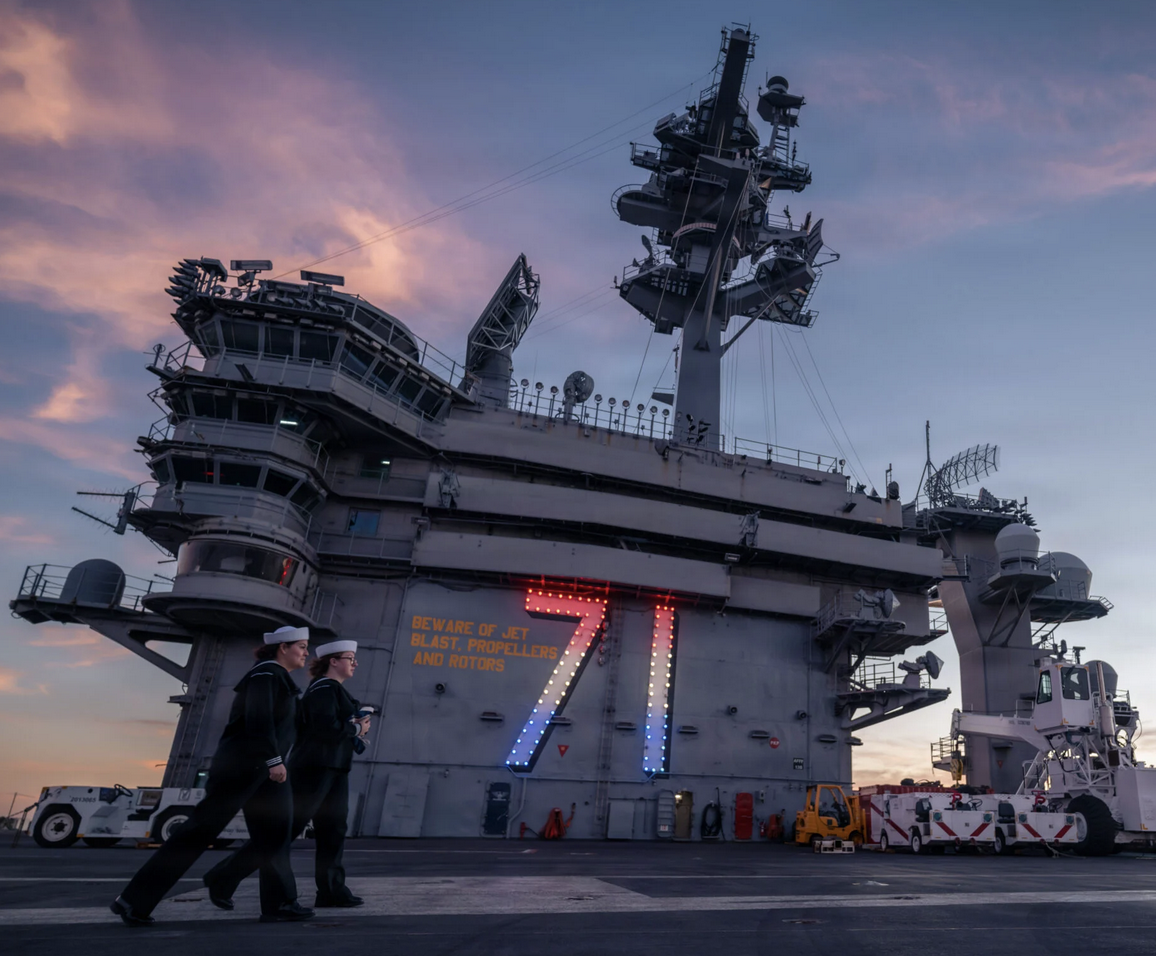
Notable U.S. assets are led by the aircraft carrier USS Theodore Roosevelt (CVN-71), along with various cruisers, destroyers, an amphibious assault ship, submarines, support vessels, and a Coast Guard cutter.
Activities and Goals
RIMPAC focuses on realistic, high-end training across a wide spectrum of operations, including:
– Amphibious operations
– Gunnery and missile exercises
– Anti-submarine warfare
– Air defense
– Maritime security (e.g., counter-piracy)
– Mine clearance, explosive ordnance disposal, diving/salvage
– Humanitarian assistance/disaster response
– Medical and logistical cooperation
It strengthens alliances, improves interoperability, and demonstrates maritime flexibility in support of regional security.
Background
RIMPAC began in 1971 (founding nations: U.S., Australia, Canada) and has grown into a cornerstone of Indo-Pacific security cooperation. This edition coincides with the U.S. semiquincentennial (250th anniversary), adding symbolic weight.
Why It Matters to Boralani
For Boralani, with our emphasis on peaceful development, renewable energy independence, and open sea lanes, RIMPAC sends a mixed but important message. On one hand, the presence of so many partners demonstrates a strong commitment to regional stability and the rules-based international order that allows small nations to thrive without fear of coercion. On the other, the sheer scale reminds us that great-power competition continues to shape the Pacific.
We continue to believe that true security in our part of the world comes from economic resilience, strong diplomatic ties with all neighbours, and practical cooperation on issues like climate resilience, sustainable fisheries, and disaster response. Large exercises like RIMPAC can support these goals when they include humanitarian and capacity-building elements – areas where smaller nations like ours often have valuable perspectives to share.
Looking Ahead
As the exercise unfolds over the coming weeks, Boralani will be watching developments with interest. We hope the participating nations emerge not only better trained but also with deeper understanding and mutual respect – qualities that benefit every nation in the Pacific, large or small.