As more of life moves online, Boralani is joining a growing regional effort to ensure that the Pacific remains a safe and secure place to live, work, and do business in the digital age.
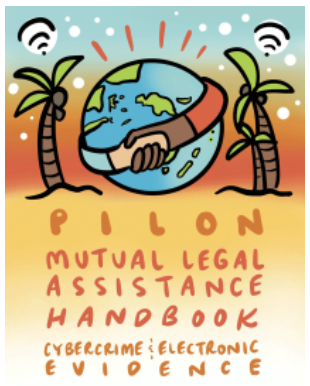
Legal and cybersecurity experts from across Oceania have been working together to develop practical guidance that will help Pacific nations strengthen their cybercrime laws and improve their ability to respond to digital threats. The initiative is being coordinated through the Pacific Islands Law Officers Network (PILON), which is preparing a regional Cybercrime Legislation Implementation Handbook for use throughout the Pacific.
While cybercrime may seem like a problem for large countries and major corporations, the reality is that even small island nations are increasingly exposed to online fraud, identity theft, phishing scams, ransomware attacks, and other digital threats. As internet access expands across the Pacific, so do opportunities for criminals operating far beyond the region’s shores.
For Boralani, the issue is straightforward. The nation may be small, but its government services, businesses, schools, banks, and communications systems increasingly depend on digital networks. Protecting those systems is becoming as important as protecting harbors, roads, and public buildings.
Under the Boralani 2050 initiative, the government has begun reviewing its existing laws relating to computer crime, electronic evidence, online fraud, and data security. Legal officers have participated in regional discussions aimed at ensuring that Pacific countries can cooperate effectively when cybercriminals operate across national borders.
The goal is not to create a large cybersecurity bureaucracy. Rather, it is to ensure that Boralani possesses the legal tools needed to investigate crimes committed through digital networks and to cooperate with regional partners when incidents occur.
Officials note that cybercrime presents unique challenges for small nations. A fraudulent email can originate thousands of miles away. A criminal may never set foot on the island. Stolen funds can be transferred through multiple jurisdictions in a matter of minutes. Traditional borders offer little protection against such threats.
That is why regional cooperation has become increasingly important. Pacific governments, police agencies, prosecutors, and legal experts have been working together to close gaps in legislation, improve information sharing, and strengthen collective cyber resilience.
Boralani’s participation also reflects a broader principle. Digital transformation and digital security must advance together. New online services, electronic commerce, distance learning, and digital government systems offer enormous opportunities for small island nations. But those benefits can only be fully realized if citizens have confidence that their information and transactions are secure.
For most residents, the practical advice remains simple: use strong passwords, be cautious of unexpected messages, verify financial requests, and report suspicious online activity. Most cybercrime begins not with sophisticated hacking but with ordinary people being tricked into trusting the wrong message.
The Pacific has long relied on cooperation to overcome geographic isolation. In the digital era, that same spirit of cooperation is helping island nations protect a new frontier—one that cannot be seen from the shore, but which is becoming increasingly important to everyday life.