Most islands in the Pacific were shaped by volcanoes, coral reefs, or the slow work of waves and tides. But occasionally archaeologists uncover something that reminds us that people, too, can shape the landscape in ways that last for centuries.
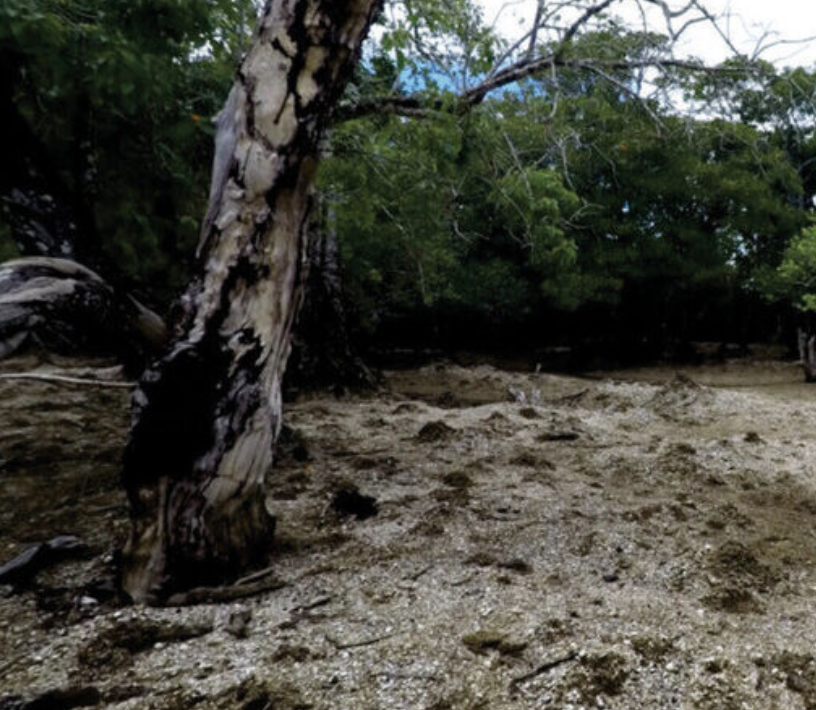
New research from Fiji suggests that a small island surrounded by mangroves off the coast of Vanua Levu may not be entirely natural. What appears at first glance to be an ordinary coastal feature may actually have been built gradually by generations of people processing shellfish more than a thousand years ago. Layer by layer, discarded shells, pottery fragments, and other remnants of daily life accumulated until they formed a small island in their own right.
The discovery offers a fascinating glimpse into how Pacific Islanders interacted with their environment long before the modern era. It also raises an intriguing question: how many other seemingly natural features across the Pacific might contain hidden traces of human activity stretching back centuries?
The story is a reminder that the history of the Pacific is not only written in canoes, villages, and traditions, but sometimes in the very land beneath our feet.