For centuries, nations measured their importance by the size of their ports.
Ships arrived carrying goods, fuel, machinery, and people. The busiest harbors became centers of commerce and influence. Today, something similar is happening again, although the ships have largely been replaced by fiber-optic cables and the cargo consists of information.
Australia recently announced plans to host what is expected to become one of the largest data centre developments in the Asia-Pacific region. The project is part of a wider surge in investment driven by artificial intelligence, cloud computing, digital services, and the ever-growing demand for secure storage of information. Across the region, governments and technology companies are competing to build the digital infrastructure that will support the next generation of economic growth.
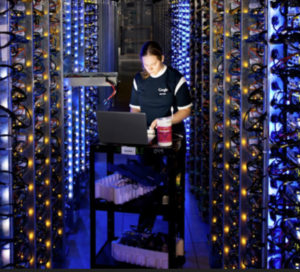
Data centres may not look impressive from the outside. Most resemble large warehouses filled with rows of servers and cooling equipment. Yet these facilities have become as strategically important to modern economies as ports, airports, and power stations. Every online transaction, video call, government record, weather forecast, and AI system depends on them.
Australia is emerging as one of the region’s major data centre hubs. Industry forecasts suggest that national capacity could more than double by the end of the decade as billions of dollars flow into new facilities. Large technology firms and infrastructure investors see Australia as a stable location with strong legal protections, reliable communications networks, and close connections to both Asia and the Pacific.
The growth, however, comes with challenges. Data centres consume enormous amounts of electricity and require substantial cooling systems. As artificial intelligence expands, demand for power is rising even faster. Policymakers now face the difficult task of balancing economic opportunity with energy security and environmental concerns.
For a small island nation such as Boralani, developments like these may seem distant. We are unlikely to host a giant hyperscale data centre anytime soon. Our population is small, our electrical grid is modest, and our priorities remain focused on fisheries, tourism, local enterprise, and quality of life.
Yet there are lessons worth observing.
The first is that digital infrastructure has become a form of national infrastructure. Reliable internet connections, secure government systems, and resilient communications networks are no longer luxuries. They are essential services.
The second is that geography still matters. Just as islands once competed for shipping routes, nations today compete for digital connectivity. Submarine cables, satellite networks, and regional communications links are becoming the trade routes of the twenty-first century.
Finally, the data centre boom reminds us that every technological revolution eventually requires physical foundations. Artificial intelligence may appear weightless and invisible, but behind every AI conversation, cloud service, or online marketplace stands a very real building consuming electricity somewhere in the world.
The digital age still needs harbors. They simply look different now.
As Boralani looks toward the goals of the Boralani 2050 project, we would do well to remember that even small nations must remain connected to the wider world. We may never build the largest data centres in the Pacific, but we can ensure that our own digital foundations are secure, reliable, and ready for whatever comes next.