Small island nations are often told that they should be grateful for investment.
A new factory, a new port, a new energy project, a new industrial facility — all are usually presented as opportunities that cannot be ignored. Jobs will be created. Revenue will flow. Economic development will follow.
But sometimes the most important decision a country can make is to say no.
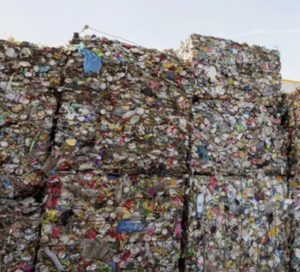
That was the lesson from Fiji this week, where the government formally rejected a proposal to build a massive waste-to-energy facility that would have burned hundreds of thousands of tonnes of rubbish each year, including waste imported from elsewhere in the Pacific and potentially beyond. The project’s supporters argued that it would generate electricity, reduce landfill use, and create economic benefits. Critics feared that Fiji risked becoming what one prominent opponent called “the Pacific’s ashtray.”
The proposal was enormous by Pacific standards. The facility was expected to process far more waste than Fiji itself produces, leading many residents, tourism operators, community leaders, and environmental advocates to question where the additional rubbish would come from. Concerns were also raised about hazardous ash disposal, public health impacts, tourism, and the long-term economic viability of the project. Fiji’s Environment Ministry ultimately concluded that key questions remained unresolved and denied approval.
Whether one supports waste-to-energy technology or not is almost beside the point.
The larger issue is how small nations evaluate proposals from wealthy foreign investors.
Island governments often face difficult choices. Limited land, small populations, high energy costs, and narrow economic bases make almost every major investment proposal attractive on paper. Yet history contains many examples of projects that promised prosperity while leaving behind environmental damage, financial burdens, or unwanted dependencies.
A nation does not become stronger simply because it accepts every opportunity placed before it.
For Boralani, the Fiji decision offers a useful reminder as we continue the Boralani 2050 project.
The world will continue to bring new proposals to island nations. Some will involve energy. Others will involve technology, shipping, fisheries, tourism, or infrastructure. Many will come wrapped in promises of jobs and investment.
Some will be excellent opportunities while others may solve one problem while creating several new ones.
The challenge is not to reject change. The challenge is to distinguish between development that strengthens national resilience and development that merely transfers somebody else’s problems onto our shores.