Visitors arriving in Boralani for the first time sometimes make a curious observation after several days on the islands.
“There does not seem to be very much entertainment here.”
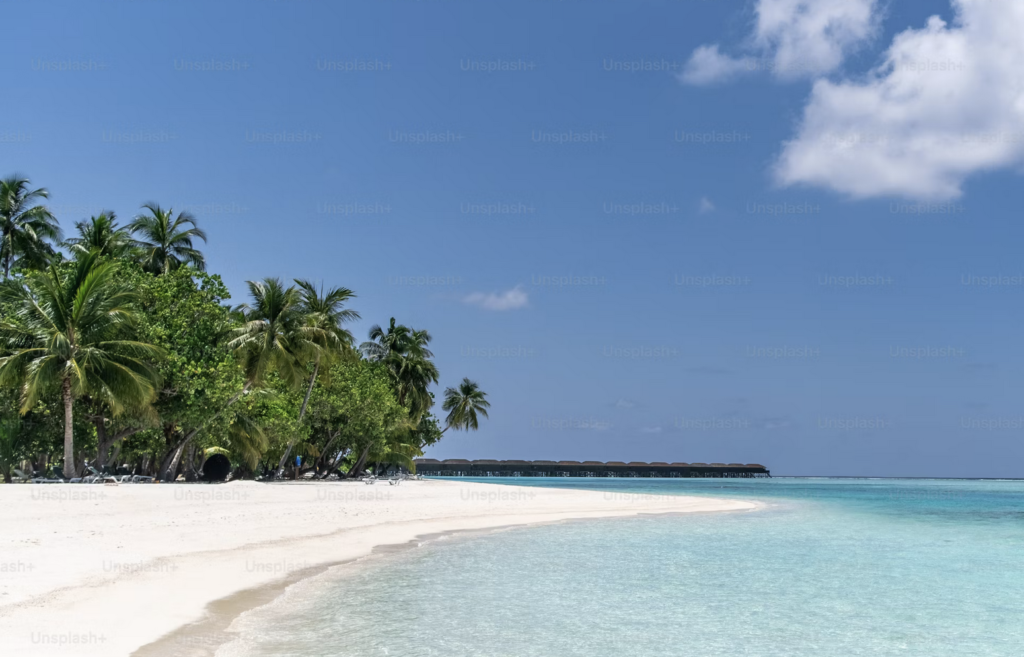
Usually this statement is made while they are standing beside a lagoon at sunset, listening to live music drifting from the market square, watching children dive from a pier, smelling grilled tuna from nearby food stalls, and hearing Radio Boralani humming softly through an open shop window.
In truth, Boralani possesses a great deal of entertainment.
It simply does not always resemble the entertainment infrastructure found in larger countries.
The Kingdom has no enormous casino district. There are no towering resort corridors filled with flashing advertisements. We do not possess twenty-four-hour shopping malls, giant concert arenas, or endless rows of themed restaurants designed by marketing committees somewhere far away from the Pacific Ocean.
Entertainment in Boralani remains smaller, slower, and more communal.
For many islanders, this is considered a strength rather than a weakness.
At the center of public life stands the Nalikai Marketplace, which functions as far more than a commercial space. The market serves simultaneously as:
- meeting place,
- gossip exchange,
- public square,
- food hall,
- political discussion forum,
- and unofficial cultural theater.
One can purchase breadfruit in one corner while hearing rugby arguments in another. Teenagers gather near the music stalls. Elderly fishermen debate weather conditions beside the tea vendors. Ferry crews moving cargo through the harbor stop briefly to listen to the latest parliamentary bulletin broadcast over old radio speakers mounted beneath the market roof.
Nothing about the scene appears designed by a tourism ministry.
That is precisely why visitors remember it.
The food culture surrounding the marketplace remains one of the quiet strengths of the Kingdom. Boralani is not known for extravagant luxury dining, but rather for good seafood, open-air cafés, and family-run restaurants where the same people may have been cooking for three generations.
Near the harbor, visitors can find:
- grilled reef fish wrapped in banana leaves,
- coconut crab stews during festival season,
- breadfruit roasted over charcoal,
- lagoon oysters,
- tuna steaks with lime and sea salt,
- and heavy enamel plates of taro served beside cold local beer.
Most restaurants remain modest in scale. Tables often sit beneath awnings facing the sea while trade winds move slowly through ceiling fans overhead.
One of my favorite places to spend the evening remains my own small beach bar, the Koromā Bar & Grill next to Nalikai harbour.
Most nights Radio Boralani plays quietly in the background while ships move slowly through the outer harbor lights.
The station itself remains surprisingly important in daily life. While outsiders often assume radio disappeared long ago beneath the weight of streaming services and smartphones, island geography tells a different story.
AM radio still travels reliably across water. Fishermen heading out before dawn listen for marine conditions. Ferry crews monitor weather advisories while crossing between islands. Outer communities hear evening broadcasts drifting across the sea after sunset.
In Boralani, the radio station is not merely entertainment. It is part public utility, part civil defense system, and part national companion.
The tone of the broadcasts reflects this reality. Announcers speak calmly and without unnecessary drama. Morning bulletins include:
- weather,
- harbor notices,
- market prices,
- ferry delays,
- fisheries information,
- and regional Pacific news.
During cyclone season, the station becomes even more important. Battery-powered radios remain among the most reliable forms of communication when storms damage infrastructure.
Yet entertainment in Boralani extends far beyond broadcasting.
The ocean itself serves as one of the Kingdom’s largest recreational spaces. People gather for:
- paddling races,
- lagoon swimming,
- reef fishing,
- canoe festivals,
- evening sailing,
- and inter-island rugby tournaments.
Many activities that would be considered “special events” elsewhere simply remain part of ordinary island life here.
Music also occupies a central place within Boralani society. Choir performances, string bands, church harmonies, and harbor musicians continue to attract larger crowds than many modern commercial attractions. Live performance still matters more here than algorithms.
Perhaps this is because island societies remain deeply participatory. People do not merely consume entertainment. They contribute to it.
Children dance during festivals. Families sing at gatherings. Communities organize outdoor film nights near the harbor. Elderly navigators tell storm stories beneath market awnings while younger listeners pretend not to be interested before eventually sitting down to listen anyway.
The result is a national culture that feels less optimized and more human.
Of course, modernization continues. Smartphones are common. Imported films and overseas music circulate widely among younger generations. Nalikai possesses cafés, bars, cinemas, and internet culture much like anywhere else in the Pacific.
But Boralani has so far resisted transforming itself into a purely commercialized tourism product.
The Kingdom still understands something many larger societies increasingly struggle to remember:
Not every empty space must become a shopping district.
Not every coastline must become a resort.
And not every moment of silence requires entertainment engineered by corporations.
Sometimes a radio broadcast, a crowded market, a rugby match near the harbor, and music carried across the evening trade winds are more than enough.
In Boralani, entertainment is not built around spectacle.
It is built around presence.