Preamble
This note was not written in a hurry, nor in response to any single offer or visitor..
On Boralani, we have learned that the most important decisions are often the quiet ones—the ones made before contracts are signed, before ground is broken, and before the welcoming speeches are practiced.
What follows is not a law, but a habit of mind. It reflects how the island has come to think about building, borrowing, and partnership after watching harbors silt up, promises fade, and a few projects endure because they were chosen carefully.
It is shared here so that those who read our words may understand how Boralani listens, how it decides, and why some offers are accepted with thanks, while others are allowed to pass with no hard feelings.
What we build stays.
So we choose slowly.
A Note on Roads, Harbors, and Promises
On Boralani we have learned, slowly and sometimes painfully, that what we build lasts longer than those who approve it.
A road does not argue.
A harbor does not vote.
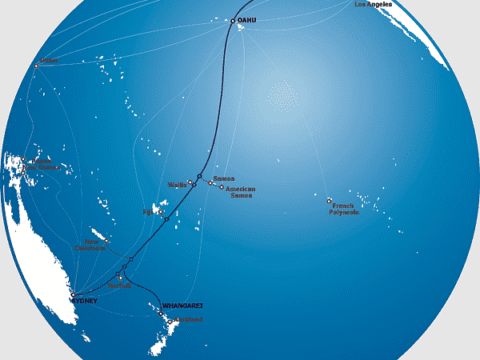
A cable under the sea does not forget who laid it.
Long after speeches fade and ministers change, the concrete remains. So do the terms written into the agreements that paid for it.
This is why we choose carefully.
We Build for Use, Not for Show
Boralani does not build to impress passing visitors or distant capitals.
We build things that earn their keep:
- Wharves that move fish to market
- Power systems that lower the cost of living
- Facilities that still make sense when storms come or prices fall
If a project cannot stand on its own feet in hard times, it does not belong on our shores.
Debt Is a Tool, Not a Gift
Money arrives smiling.
Repayment never does.
We have seen how easy credit can turn into long obligation. We know that grace periods end, currencies shift, and good intentions do not pay interest.
So we borrow carefully, in amounts we can carry, and only for things that strengthen us rather than weigh us down.
Contracts Matter More Than Handshakes
Friendship is welcome.
Clarity is required.
What protects Boralani is not the warmth of a visit or the size of a ribbon-cutting, but the words written into contracts:
- Who owns what
- For how long
- Under what conditions control changes hands
We read the small print because it grows large with time.
Some Things Are Not Easily Replaced
A harbor once altered cannot be unbuilt.
A reef once damaged does not quickly return.
A data system once embedded is hard to remove.
Our ports, power, communications, and skies are not ordinary assets. They shape how we live and how we decide.
We allow partnership, but we keep custody.
Many Friends, Not One Dependence
Boralani has learned to keep more than one paddle in the canoe.
When many partners are involved, no single one can steer us where we do not wish to go. Diversity slows decisions, but it also prevents capture.
We accept this tradeoff.
The Land and Sea Are Not Collateral
Our reefs feed us.
Our coast shelters us.
Our land holds our stories.
No agreement is worth the quiet loss of these things. Any project that harms them must repair what it damages—or not proceed at all.
Development that leaves the island poorer in spirit or sustenance is not development.
Civilian Works Must Stay Civilian
A pier built for trade must not quietly become something else.
We say this plainly because history shows what happens when intentions are left vague. Boralani’s infrastructure exists for peaceful use, and its purpose must be clear to all.
We Decide Slowly on Purpose
We do not rush.
We review.
We argue.
We ask again.
If a proposal survives time, scrutiny, and public unease, it may be worth building. If it cannot, we let it pass like a ship that never anchored.
A Word on the Chinese Belt and Road Initiative
We do not reject the Belt and Road.
We do not embrace it blindly.
We listen, we evaluate, and we choose only what fits our island and our future. What does not fit, we decline without offense.
The ocean teaches this lesson well: not every current should be followed.
In Closing
Boralani is small, but it is not careless.
We measure progress not by how fast we build, but by how well we remain ourselves after the building is done.
What we raise on this island must serve our children longer than it serves today’s headlines.