In parts of the Pacific today, kava isn’t just a ceremonial drink — it has become a significant element of social life and economic activity. In places like Fiji, concerns are rising that the traditional balance between culture, production, and consumption may be under stress.
What’s Happening in Fiji Right Now
According to reporting from The Fiji Times, government officials say unnecessary and excessive kava drinking has become a major factor in the decline of domestic kava supply. The agriculture minister explained that this shift in consumption habits — combined with fewer people growing the crop and poor farming practices — is having a stronger impact on the sector’s productivity than kava dieback disease alone.
Put plainly:
- Consumption patterns are changing. Drinking kava is no longer mostly ceremonial — it is frequently consumed socially in ways that generate waste and stress supply.
- Fewer growers and crop neglect are real issues. Younger generations or smallholders aren’t always maintaining fields, so overall productivity is falling.
Other coverage from Fiji confirms that overconsumption is linked to broader health risks — including contributions to non-communicable diseases when kava sessions displace balanced nutrition and physical activity.
So yes — in Fiji there are real economic, cultural, and health stresses tied to how kava is used today.
Why Boralani Is Different
When we designed Boralani’s culture, we consciously avoided the structural feedback loops that have emerged elsewhere. Here’s how:
1. Kava Is Framed as Ceremony First, Not Habit
In Boralani:
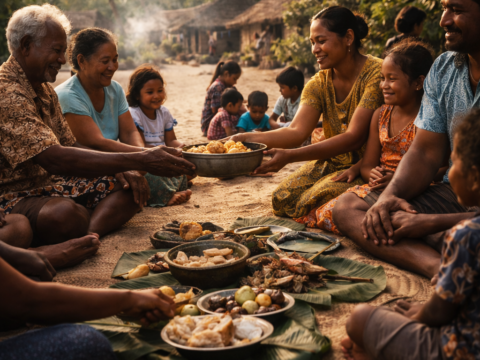
- Kava drinking is primarily an organized social ritual, not a regular habit with no purpose.
- Community leaders encourage mindful use tied to events — similar to how many elder councils treat kava in traditional Pacific contexts rather than modern party culture.
This limits demand spikes and discourages repetitive, high-volume consumption.
2. Stewardship Comes Before Commerce
Boralani’s agricultural policy requires:
- Crop stewardship agreements for any household growing kava.
- Rotational planting cycles designed to preserve soil and maintain a stable, predictable supply.
- Incentives for growers to harvest responsibly and avoid waste.
Contrast that with reports from Fiji where neglected fields and poor harvest planning are cited as part of the productivity decline.
3. Population and Scale Matter
With a smaller, tightly knit population:
- There isn’t a massive commercial market pushing consumption up.
- Social norms discourage habit drinking outside established gatherings.
- Economic pressure to export large volumes doesn’t exist.
This stands in contrast to real Pacific markets where export demand and drinking culture are evolving rapidly.
4. Health Is Part of the Narrative
Boralani doesn’t glamorize kava use; our fictional public health messaging emphasizes:
- Moderation
- Nutrition and activity alongside social sessions
- Awareness of when kava should not be consumed (e.g., interactions with alcohol or heavy work)
That kind of framing helps keep use culturally meaningful without turning it into daily ritual or problematic habit.