Boralani’s refusal to pursue designation as a UNESCO World Heritage List was not symbolic, emotional, or anti-international. It was a calculated policy decision, taken after watching what happened elsewhere.
The island concluded that the costs would outlast the benefits.
-
Boralani did not want a tourism mandate
World Heritage status functions as a global advertisement whether a community wants it or not.
Boralani already limits arrivals through:
- A small airport
- Restricted ferry capacity
- No cruise ship access
Heritage listing would have undermined that restraint. Visitor growth would have been expected, not optional, and reversing it later would have been politically and reputationally difficult.
-
The island refused to freeze itself in time
Boralani is not an archaeological park. It is a living place.
Designation would have introduced:
- External review of building materials and repairs
- Constraints on coastal adaptation
- Pressure to preserve appearances rather than function
The island chose evolution over curation.
-
Authority mattered more than prestige
World Heritage status shifts influence—subtly but permanently.
Planning decisions would have required justification to:
- International advisory bodies
- Heritage missions
- Periodic compliance reviews
Boralani’s council judged that local accountability mattered more than international validation.
-
Economic math did not work
The island already sustains itself.
Projected gains:
- Higher visitor spend
- Greater global visibility
Projected costs:
- Infrastructure strain
- Enforcement and reporting
- Rising property pressure
- Cultural dilution
The net benefit was uncertain; the long-term obligations were not.
-
Cultural practices were not for display
Boralani’s festivals, fishing customs, and land rituals are practiced because they are useful—not because they photograph well.
Listing risked:
- Performative culture
- Seasonal reenactments for visitors
- Subtle incentives to “simplify” traditions
The island declined to turn meaning into inventory.
-
Climate flexibility took priority
Boralani faces:
- Sea-level rise
- Storm surge
- Shoreline migration
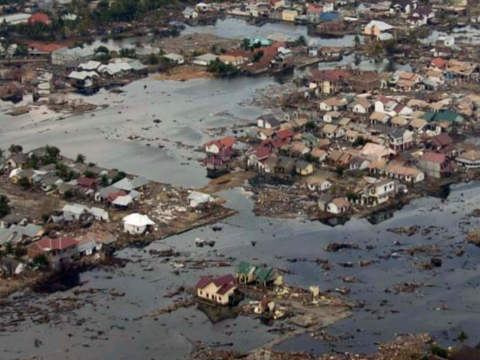
Heritage frameworks often favor preservation of form, even where retreat or redesign is more rational. The island chose the freedom to move, reinforce, or abandon structures when necessary—without petition.
The official position (as stated locally)
“We are not unfinished. We do not need to be certified.”
Boralani did not reject heritage. It rejected external ownership of its future.
Bottom line
The refusal was pragmatic:
- Less tourism pressure
- Full planning autonomy
- Cultural continuity on local terms
- Climate adaptation without permission
Boralani decided that being stable, inhabited, and self-directed mattered more than being internationally celebrated.