Indigenous Knowledge in Polynesia—and the Island of Boralani
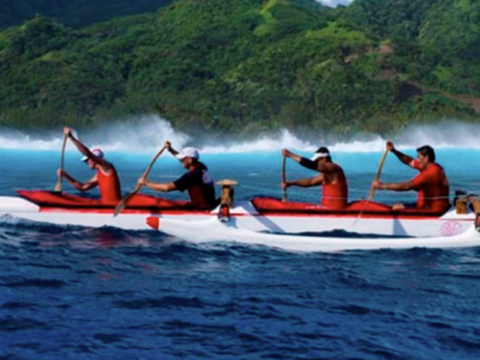
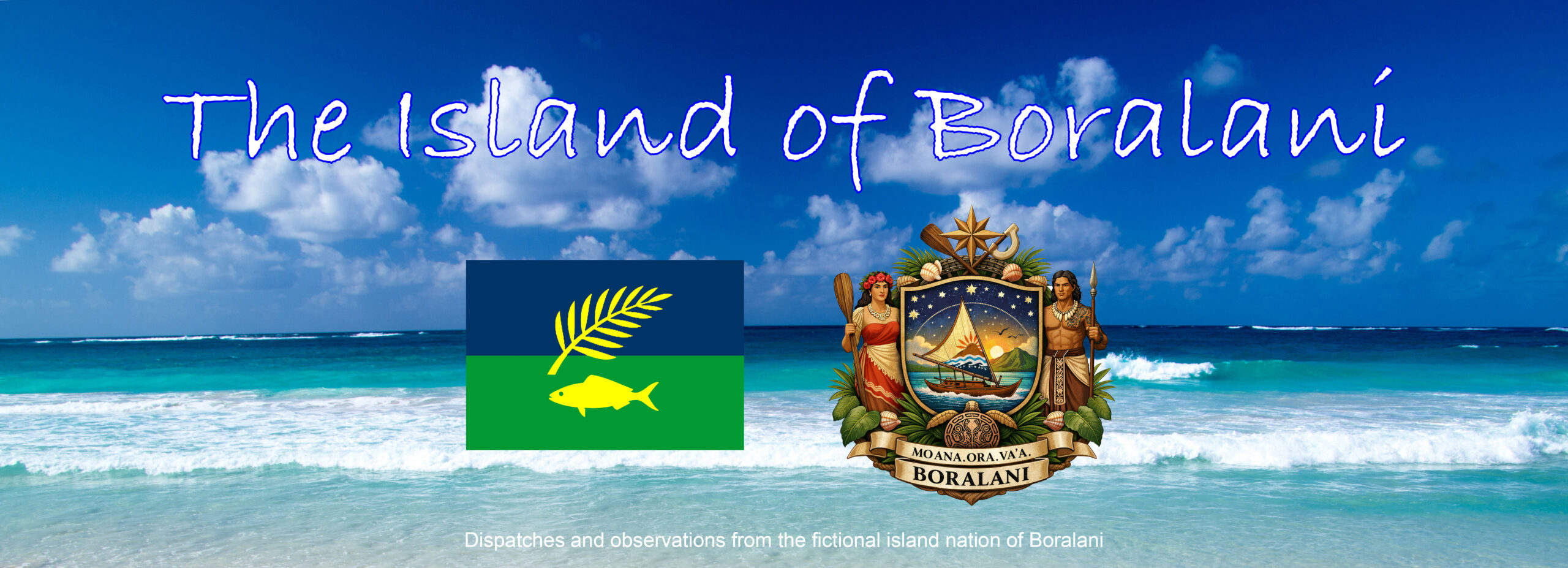
On a small island, knowledge is never abstract. It lives in the tides, the wind shifts, the behavior of birds at dusk, and the way elders pause before answering a question. Across Polynesia, indigenous knowledge systems evolved not as philosophies for debate but as operating systems for survival. The fictional island nation of Boralani sits squarely in that tradition—less as an invention than as a distillation of ideas that have quietly worked for centuries.
This knowledge is not written down first. It is watched, practiced, corrected, and passed along. And in an era of climate uncertainty and ecological strain, it is being re-examined not as folklore, but as infrastructure.
Knowledge as a System, Not a Collection
In Polynesian societies, knowledge is integrated. Navigation is inseparable from astronomy. Agriculture is inseparable from ritual calendars. Fishing is inseparable from restraint. Rather than dividing the world into disciplines, indigenous knowledge connects observation, ethics, and responsibility.
In Boralani, this shows up in everyday decisions. Fishing seasons are set not by quotas drafted in offices, but by long-observed signs: water temperature, spawning behavior, even the taste of certain reef fish. When those signs say “wait,” the community waits. Not because a rulebook demands it, but because memory does.
That memory is not nostalgia. It is data—collected over generations, stress-tested by droughts, storms, and scarcity.
The Role of Elders: Living Archives
Elders in Boralani are not ceremonial figures. They are functional assets. Their authority does not come from age alone, but from proven accuracy. An elder who misreads the weather loses standing quickly. Respect is earned through precision.
This is one of the less romantic but more important aspects of indigenous knowledge: it is self-correcting. Bad information gets people hurt. Good information gets remembered.
Stories, chants, and genealogies are not merely cultural expressions; they are compression tools—ways to store complex environmental knowledge in forms that survive without paper, power, or servers.
Stewardship by Design, Not Policy
Modern environmental management often treats conservation as an intervention—something imposed to correct damage. Indigenous systems reverse that logic. In Boralani, stewardship is the default setting.
Temporary reef closures, selective harvesting, and rotational land use are not framed as sacrifices. They are framed as continuity. You protect what you expect your grandchildren to need.
What stands out is not just sustainability, but local enforcement. When rules emerge from shared belief rather than distant authority, compliance is not a problem to be solved. It is assumed.
Where Indigenous Knowledge Meets the Modern World
Boralani is not sealed off from modern science. Satellite forecasts, climate models, and marine biology research all exist on the island. But they are treated as inputs, not replacements.
When scientific data aligns with traditional indicators, trust deepens. When it doesn’t, discussion follows. The goal is not to choose one system over the other, but to triangulate reality.
This approach has proven especially valuable as climate change pushes conditions beyond historical norms. Indigenous knowledge provides the baseline—what “normal” used to be. Science helps project what comes next.
The Real Threat: Loss of Transmission
The greatest risk to indigenous knowledge is not skepticism. It is silence.
When languages fade, when young people leave without returning, when education systems reward memorization over observation, knowledge breaks—not all at once, but quietly. Boralani addresses this by embedding indigenous knowledge into daily life rather than isolating it as “culture.”
Children learn weather by watching the sky. They learn ecology by helping with harvests. They learn responsibility by seeing consequences, not by reading about them.
Why This Still Matters
Indigenous knowledge systems are often praised politely and ignored practically. That is changing—not out of sentimentality, but necessity.
Small islands have always lived close to limits: finite land, finite food, finite margin for error. In that sense, they are not behind the modern world. They are ahead of it.
Boralani’s lesson is simple and uncomfortable: sustainability is not a technology problem alone. It is a knowledge problem. And some of the most durable solutions were worked out long before the first spreadsheet.
Editor’s note: Boralani is a fictional island nation used to illustrate real indigenous knowledge practices found across Polynesian and Pacific Island societies.