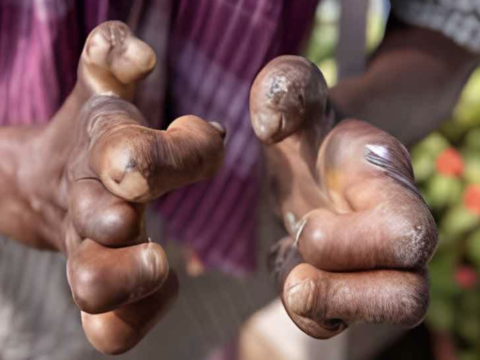
On many Pacific islands, diabetes has shifted from a clinical footnote to a public health crisis. Boralani is no exception. Rates of type 2 diabetes here are among the highest in the region — a complex mix of genetics, lifestyle transition, imported food systems, and limited access to preventative care.
What’s been less talked about — and what matters more for real outcomes — is how the health system actually manages this burden. This isn’t about mere statistics; it’s about clinics, schools, communities, budgets, and the hard work of keeping people alive and functioning.
The Scale of the Problem
In the Pacific, adults with diabetes can range between 15–25% of the population in some nations. That’s not a minority health issue — that’s a societal one. Boralani mirrors that pattern:
- High prevalence among adults over 40.
- Rising incidence in younger age groups.
- A spike in complications: amputations, kidney failure, cardiovascular disease.
- Heavy pressure on family caregivers and the health budget.
Those aren’t abstract numbers — they’re every day in the lives of thousands of households.
Clinic Walls and Community Paths: How Care Is Delivered
Boralani’s health system handles diabetes on two interconnected fronts: clinical management and community-level prevention.
1. Clinical Management — Standards Without Illusions
Boralani’s health clinics follow international diabetes care standards, but adapted to local realities:
- Primary care screening is routine for adults over 40 — fasting glucose tests, HbA1c measurements, blood pressure, foot exams.
- Medication protocols use generics whenever possible to control costs — metformin, insulin where needed, statins for heart risk.
- Complication monitoring is a priority: retinopathy screening, renal function tests, and foot care programs to reduce amputations.
But there are constraints:
- Specialist shortages. Endocrinologists are rare. Most long-term management falls to general practitioners and nurses.
- Supply chain volatility. Insulin shortages and stockouts of test strips still happen.
- Late diagnosis. Many patients first learn they have diabetes only after complications emerge.
These gaps are systemic, not accidental.
2. Community-Centric Prevention — Public Health as Front Line
Clinical care treats the disease. Prevention tries to stop it.
Boralani’s public health leadership has leaned into community engagement for years:
- Health education campaigns in schools and villages emphasize diet, exercise, and regular screening.
- Mobile clinics reach remote atolls where patients would otherwise only see a provider once or twice a year.
- Peer support networks — led by trained community health workers — help people manage glucose, adhere to meds, and prevent burnout.
These efforts aren’t charity. They’re data-informed. Islands that invest in prevention see measurable reductions in hospitalization rates and complications.
Socioeconomic Realities: Food, Work, and Choices
One of the toughest parts of the diabetes challenge in Boralani isn’t clinical — it’s structural:
- Imported processed foods dominate the shelves because they’re cheaper than fresh produce.
- Urban lifestyles reduce physical activity.
- Economic inequality correlates with higher disease rates.
A health system can’t fix economic drivers alone, but it can partner:
- Subsidizing healthy food options.
- Taxing sugary beverages.
- Building safe spaces for exercise.
When healthcare and economic policy ignore each other, disease fills the gap.
Measuring Success — And What Still Needs Fixing
There are real wins:
- Mortality from diabetic complications has plateaued in recent years.
- More adults are receiving regular screenings.
- Community health workers have become trusted local resources.
But the system still struggles with:
- Early detection in youth. The number of young adults with prediabetes is climbing.
- Sustainable financing. Chronic disease care eats into government and household budgets.
- Data systems. Accurate, real-time tracking of incidence and outcomes is still limited.
Success isn’t a final destination. It’s incremental.
If Boralani Is Serious About Beating Diabetes, It Must Do This
Here’s the unvarnished reality: treating diabetes isn’t a clinic problem alone. For meaningful change, Boralani needs:
- Policy alignment between health, agriculture, and education sectors.
- Improved supply chains for essential medicines and diagnostics.
- Expanded preventive care reach into every community.
- Incentives for healthy eating and activity, not just warnings.
We know what works. The challenge is making it sustainable — socially, politically, and financially.
Bottom Line
Diabetes in Boralani is not an unavoidable fate. It’s a condition shaped by history, economy, and choices — both individual and collective. The health system is carrying the load as best it can, but the fight isn’t just in clinics. It’s in markets, schools, workplaces, and community halls.
If we want outcomes that matter — fewer hospital beds filled with preventable complications, healthier adults in their 50s and 60s, less strain on families — then policy and practice must work as one.
Boralani’s health system isn’t perfect. But it’s where our future health will be decided — one test result, one policy change, and one community at a time.