The 2025 fishing seasons concluded largely in line with expectations, with steady landings, few disruptions, and no signs of acute stock stress. While individual catches varied by location and weather, the overall picture was one of continuity rather than expansion.
2025 Season Summary
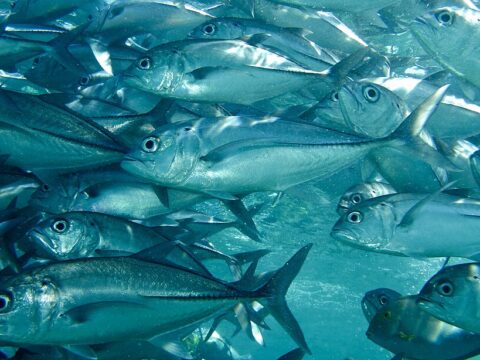
Small-boat coastal fishing remained the backbone of the sector. Most vessels operated within traditional ranges, focusing on reef and near-offshore species that have long sustained local markets. Catches of tuna and pelagic species were moderate, influenced by shifting currents and fewer extended offshore trips than in earlier years.
Reef fish stocks showed no evidence of decline beyond normal seasonal fluctuation. Areas under customary protection, particularly around Nalua Lagoon and selected reef zones, continued to show higher average sizes and more consistent yields. Enforcement remained informal but effective, relying on local compliance rather than patrols.
Weather conditions were generally favorable, with fewer extended storm interruptions than in 2024. Fuel costs remained a limiting factor for longer runs, contributing to conservative trip planning.
State of the Fleet
The fishing fleet in 2025 can best be described as serviceable but aging. Most vessels are small, owner-operated boats maintained incrementally rather than replaced. Engines are reliable but inefficient by modern standards. Hulls show wear, though safety incidents remained low.
Netting and lines are increasingly mixed—older gear supplemented by newer materials purchased selectively rather than wholesale. Ice storage and cold handling remain the weakest links, limiting both trip length and post-catch quality.
There were no major fleet expansions during the year, reflecting both cost constraints and a deliberate policy preference for stability over growth.
New Equipment and Its Impact
Late in 2025, several cooperatives began using updated fish-finding sonar, GPS charting, and improved net designs. Early results suggest these tools are increasing efficiency rather than raw extraction. Boats are spending less time searching and more time making shorter, targeted sets.
Officials and cooperative leaders stress that the goal is not to increase total catch volumes, but to reduce wasted effort and fuel consumption while improving predictability. By locating schools more accurately and avoiding juvenile-heavy areas, fishers can bring in consistent hauls without increasing pressure on stocks.
Improved onboard handling equipment—particularly better ice management—has also reduced spoilage, meaning more of what is caught reaches market in usable condition.
Outlook for 2026
The outlook for 2026 is cautiously stable. Stock assessments based on catch data and reef surveys suggest no immediate need for additional restrictions, though seasonal closures and protected zones are expected to remain unchanged.
Incremental equipment upgrades are likely to continue, particularly in navigation and catch handling, but large-scale mechanization is not anticipated. Training programs planned for early 2026 will emphasize selective fishing practices and maintenance of new electronics, reinforcing the focus on sustainability.
If weather patterns remain within historical norms, total landings in 2026 are expected to match or slightly exceed 2025 levels—through efficiency gains rather than increased effort.
For Boralani, fishing remains less an industry than a managed necessity: productive enough to sustain livelihoods, restrained enough to endure.